
Soothe your upset stomach with a bland diet that’s gentle on your digestive system. Learn what to eat and avoid to alleviate symptoms and promote healing.
When your stomach is churning, and every bite feels like a gamble, it’s time to turn to a bland diet for relief. A bland diet, also known as a low-residue diet, is a temporary eating plan that focuses on foods that are easy to digest and less likely to irritate the stomach. This diet is often recommended for individuals experiencing digestive issues such as diarrhea, vomiting, nausea, and stomach pain. In this article, we’ll explore the ins and outs of a bland diet for an upset stomach, including what to eat, what to avoid, and tips for making the most of this gentle eating plan.
What is a Bland Diet?
A bland diet is designed to give your digestive system a break from the usual demands of processing complex foods. By sticking to bland, easily digestible foods, you can reduce symptoms of an upset stomach, promote healing, and allow your body to recover. This diet is typically recommended for a short period, usually 2-3 days, or until symptoms subside. During this time, it’s essential to listen to your body and adjust your food choices based on how you’re feeling.

Foods to Eat on a Bland Diet
When it comes to a bland diet, the goal is to choose foods that are low in fiber, fat, and spice. These foods are gentle on the stomach and can help alleviate symptoms quickly. Some of the best foods to eat on a bland diet include:
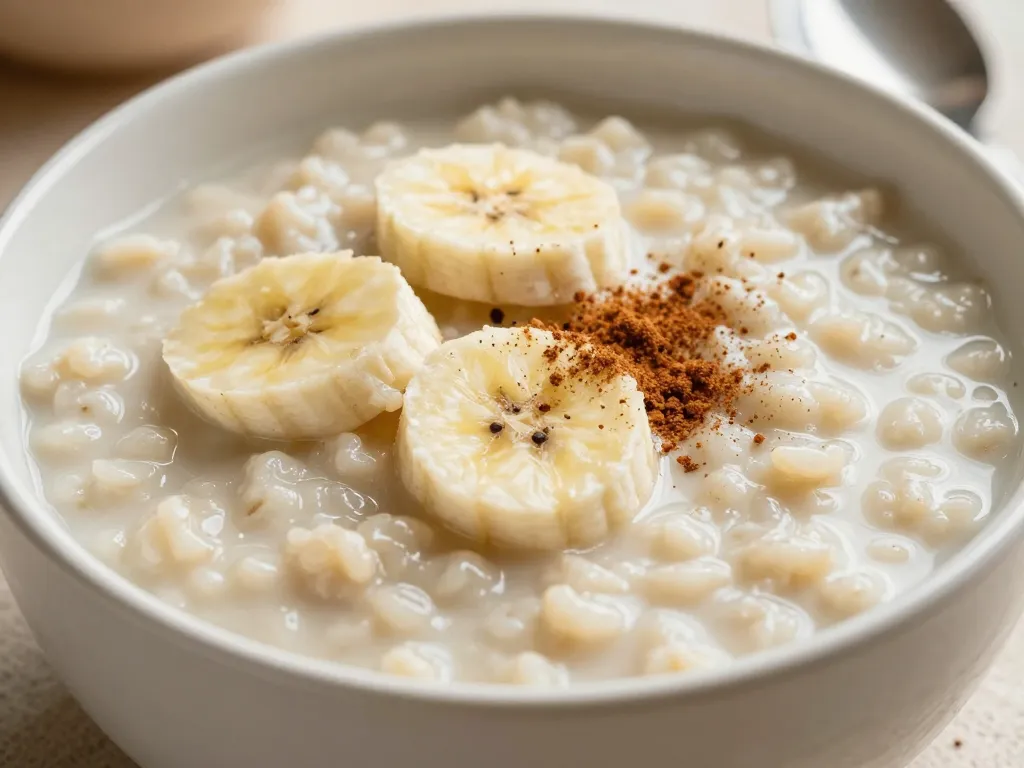
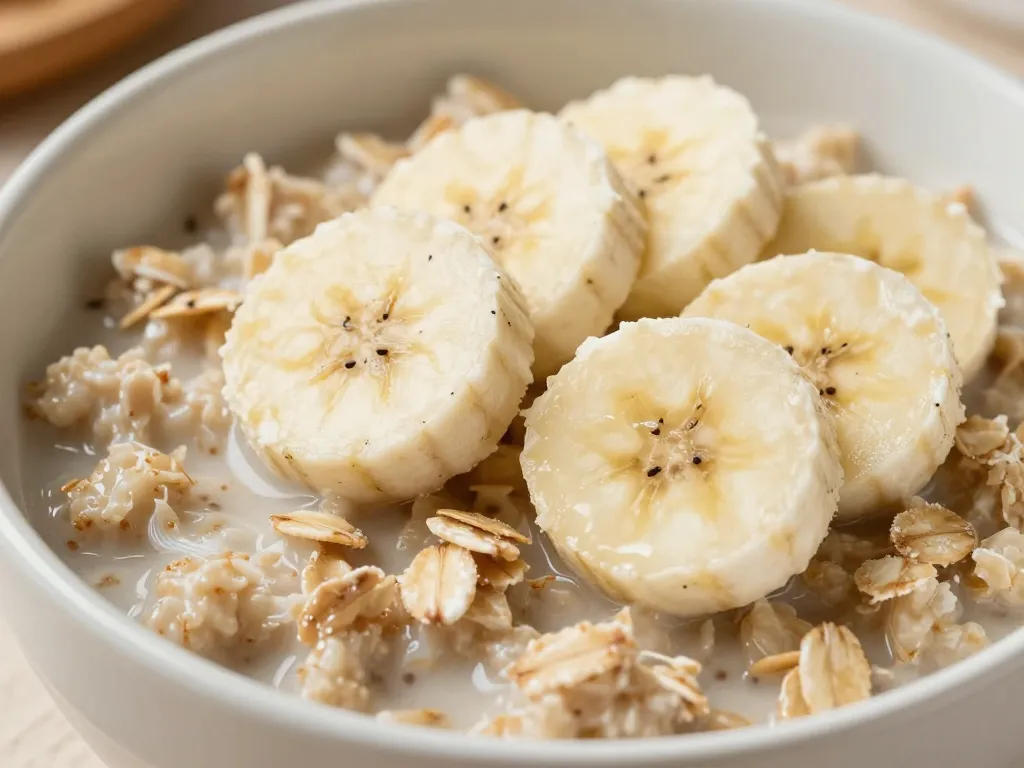
Bananas: Rich in potassium and easy to digest, bananas are a great choice for an upset stomach.
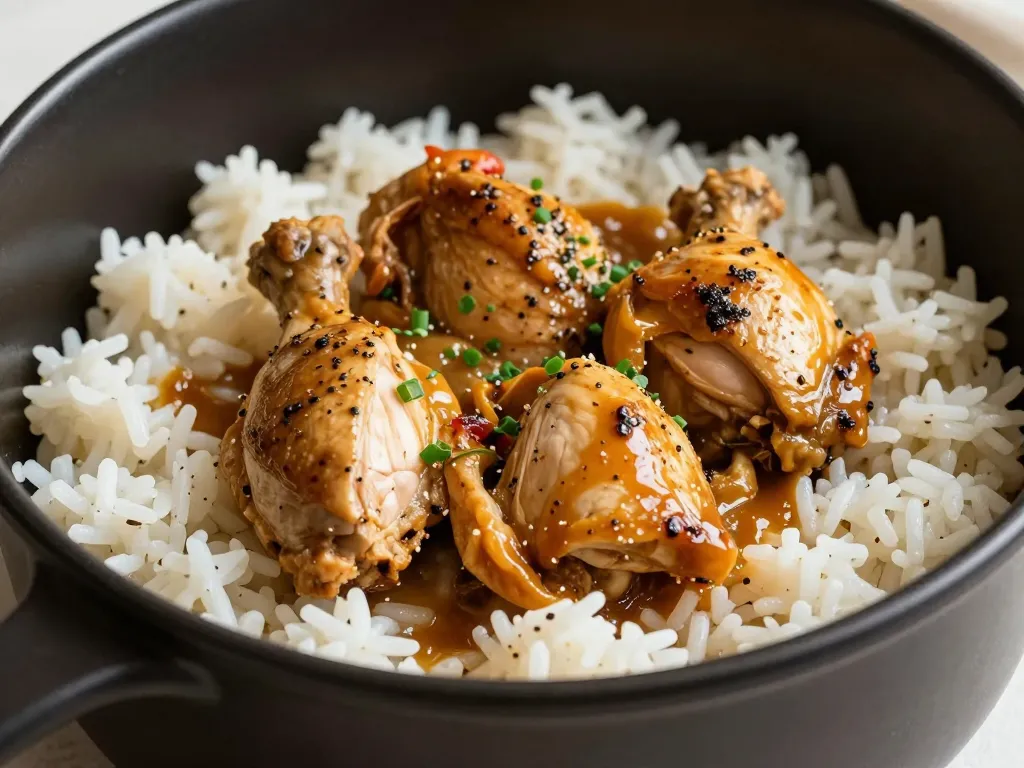
Rice: White rice is a low-fiber, easily digestible carbohydrate that can help settle your stomach.
Applesauce: Applesauce is a low-fiber, easy-to-digest fruit that can provide essential nutrients and fiber.
Toast: Plain, white toast is a bland, easily digestible carbohydrate that can help stabilize your blood sugar levels.
Plain Crackers: Crackers are another low-fiber, easily digestible carbohydrate that can help alleviate nausea and vomiting.
Chicken Broth: A clear, low-sodium chicken broth can help replenish electrolytes and provide essential nutrients.
Ginger: In small amounts, ginger can help alleviate nausea and reduce inflammation.
Foods to Avoid on a Bland Diet
While certain foods can provide relief, others can exacerbate symptoms and make an upset stomach worse. Some foods to avoid on a bland diet include:
High-Fiber Foods: Foods high in fiber, such as beans, broccoli, and cauliflower, can be difficult to digest and worsen symptoms.
Fatty Foods: Foods high in fat, such as fried foods and processed meats, can slow digestion and worsen nausea.
Spicy Foods: Spicy foods, such as hot peppers and wasabi, can irritate the stomach lining and worsen symptoms.
Caffeine: Caffeine can stimulate the stomach and worsen symptoms of an upset stomach.
Carbonated Drinks: Carbonated drinks, such as soda and sparkling water, can lead to bloating and discomfort.
Raw Fruits and Vegetables: Raw fruits and vegetables can be difficult to digest and worsen symptoms.
Tips for Following a Bland Diet
While a bland diet may seem restrictive, there are ways to make the most of this gentle eating plan. Here are some tips to help you navigate a bland diet:
Stay Hydrated: Drink plenty of fluids, such as water, clear broth, and electrolyte-rich beverages, to help replenish lost electrolytes and prevent dehydration.
Eat Small, Frequent Meals: Eating small, frequent meals can help alleviate nausea and vomiting and provide a sense of comfort.
Avoid Overexertion: Avoid overexerting yourself physically or mentally, as this can worsen symptoms and prolong recovery.
Keep a Food Diary: Keeping a food diary can help you track which foods are triggering symptoms and which ones are providing relief.

When to Seek Medical Attention
While a bland diet can provide relief from an upset stomach, there are times when medical attention is necessary. If you’re experiencing any of the following symptoms, seek medical attention immediately:
Severe Vomiting or Diarrhea: If you’re experiencing severe vomiting or diarrhea that lasts for more than 2 days, seek medical attention.
Blood in Stool or Vomit: If you notice blood in your stool or vomit, seek medical attention immediately.
Severe Abdominal Pain: If you’re experiencing severe abdominal pain that worsens over time, seek medical attention.
Fever: If you have a fever above 101.5°F (38.6°C) that lasts for more than 2 days, seek medical attention.
Conclusion
A bland diet can be a lifesaver when you’re dealing with an upset stomach. By sticking to gentle, easily digestible foods and avoiding trigger foods, you can alleviate symptoms, promote healing, and get back to your normal routine. Remember to stay hydrated, eat small, frequent meals, and avoid overexertion to make the most of this gentle eating plan. If your symptoms persist or worsen, seek medical attention immediately. With a little patience and the right foods, you can soothe your upset stomach and feel better in no time.
If you’re struggling with digestive issues and want to learn more about a bland diet, consult with a healthcare professional or registered dietitian for personalized guidance and support.

0 Comments