
Discover the 7 simple anti-inflammation diet meal plans to help you eat clean and reduce inflammation without overthinking. Start your healthy journey today!
When it comes to reducing inflammation, diet plays a crucial role. Eating the right foods can help alleviate symptoms and improve overall health. But, with so many options available, it can be overwhelming to create an anti-inflammation diet meal plan. That’s why we’ve put together this list of 7 simple meal plans to help you eat clean without overthinking.
1. Mediterranean Diet Meal Plan
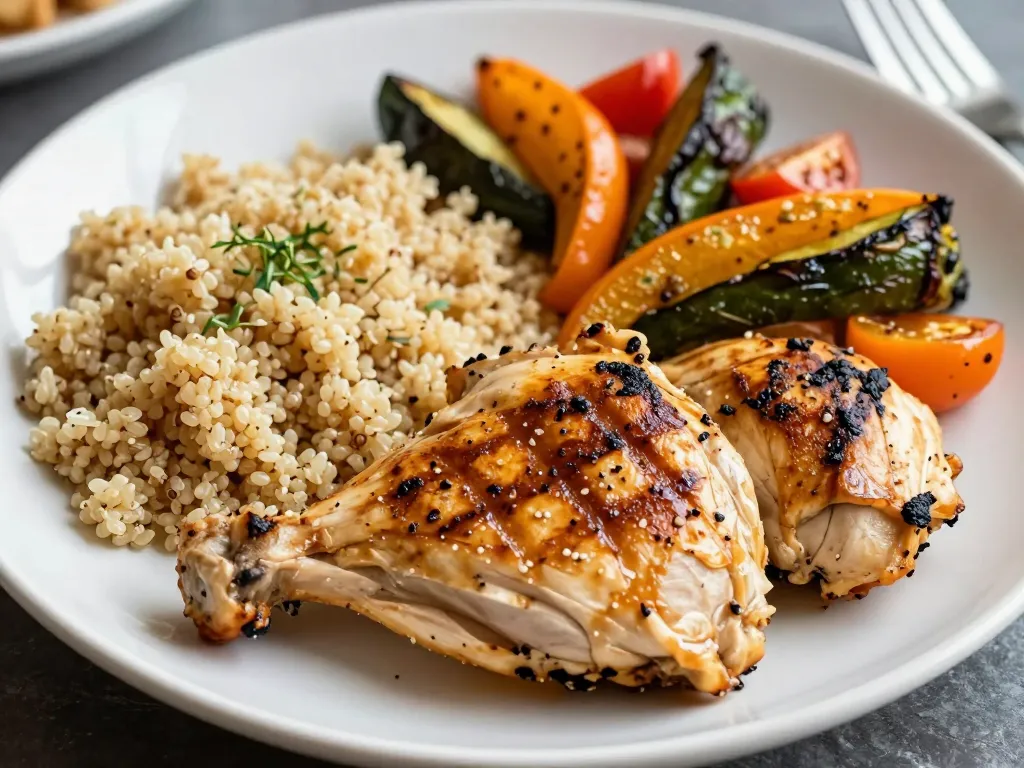
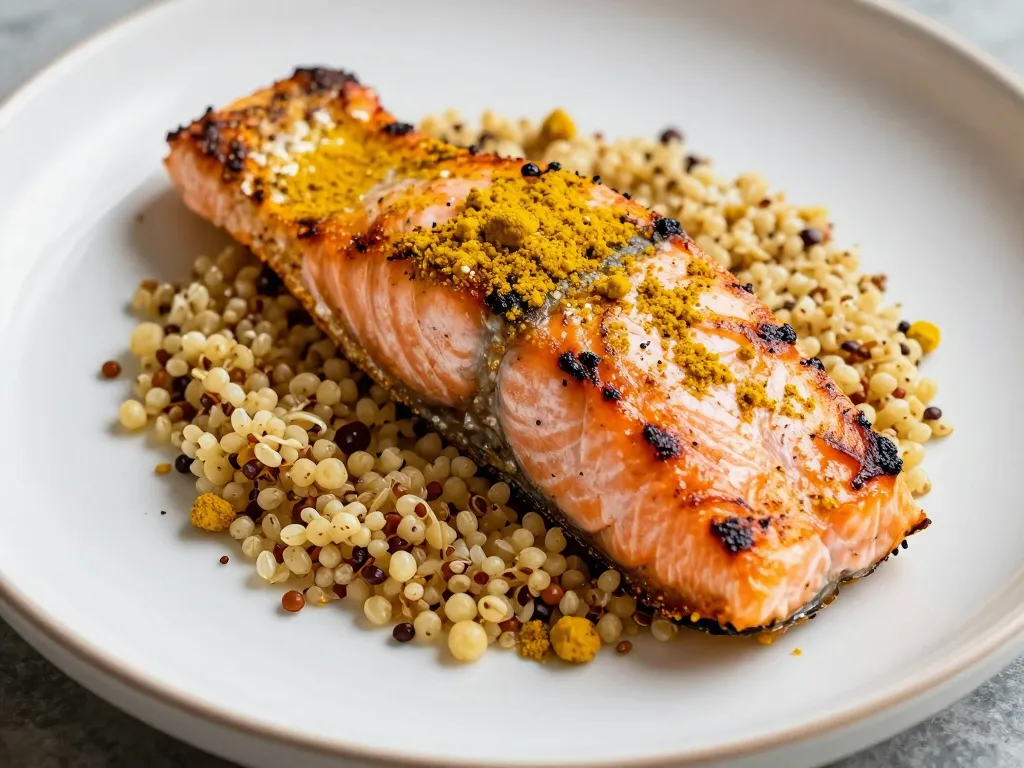
The Mediterranean diet is renowned for its anti-inflammatory properties. This meal plan focuses on whole, unprocessed foods like fruits, vegetables, whole grains, lean proteins, and healthy fats. Incorporate foods rich in omega-3 fatty acids like salmon, sardines, and walnuts to reduce inflammation. Olive oil, a staple in the Mediterranean diet, is rich in antioxidants and has potent anti-inflammatory effects.
To get started, try incorporating Mediterranean-inspired dishes like grilled chicken or fish with roasted vegetables, quinoa salads, and lentil soups. Don’t forget to drink plenty of water and limit your intake of processed meats and sugars.
2. Omega-3 Rich Meal Plan
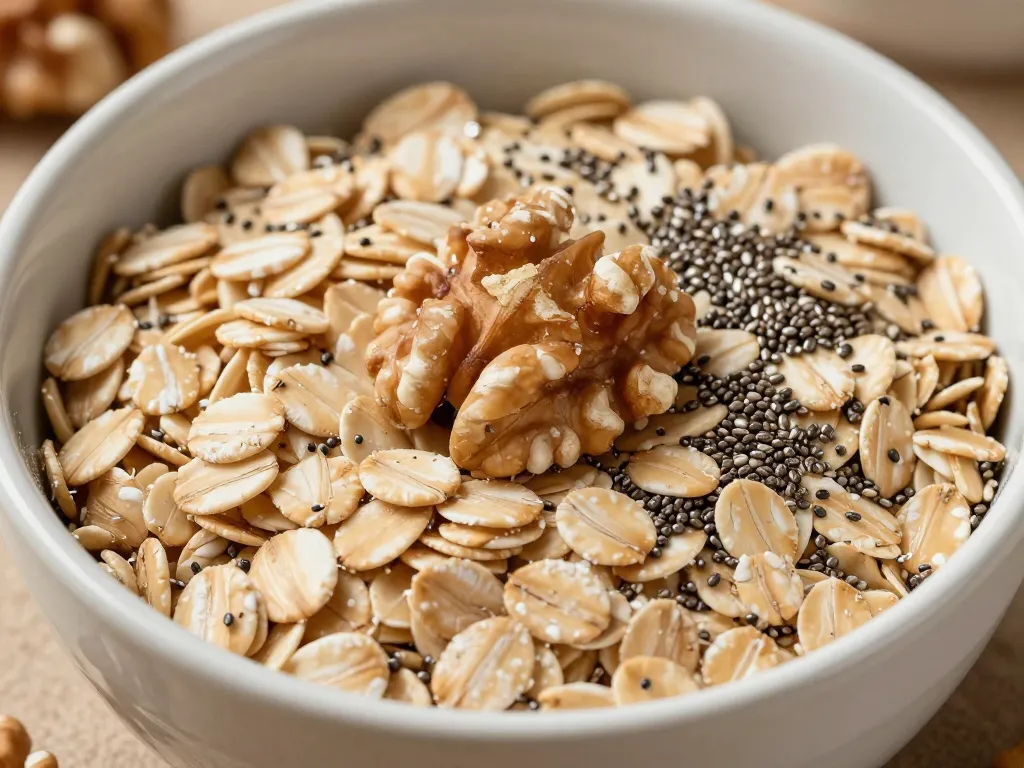
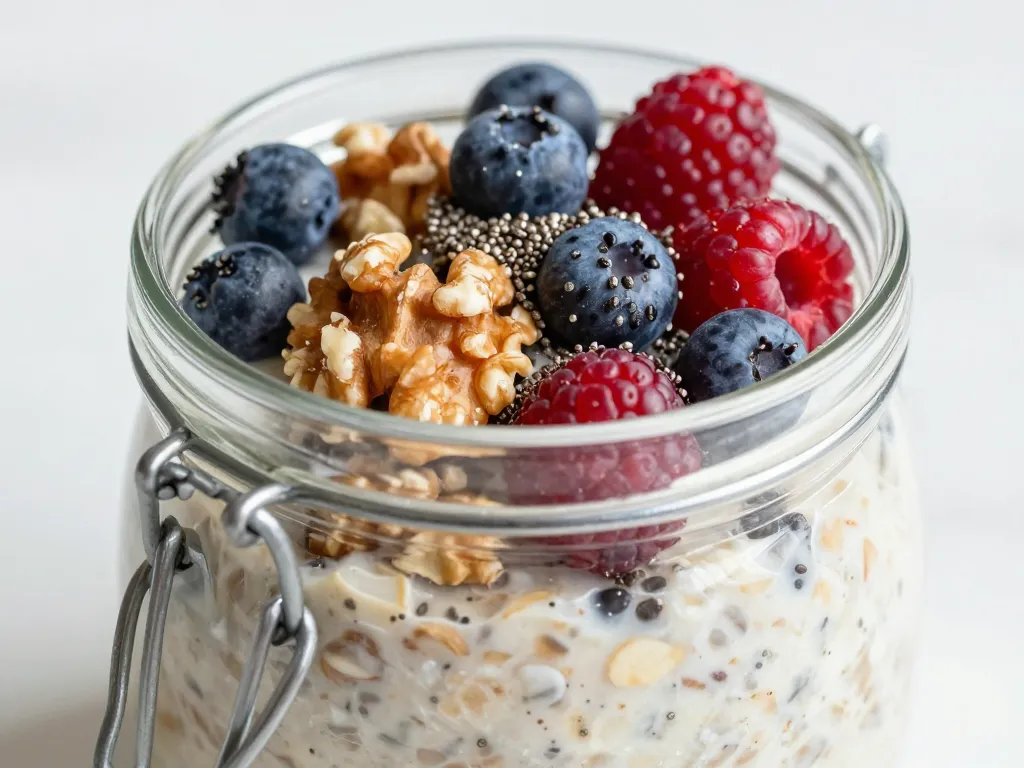
Omega-3 fatty acids are potent anti-inflammatory agents found in fatty fish, nuts, and seeds. This meal plan focuses on incorporating these foods into your diet to reduce inflammation. Start your day with walnuts and chia seeds in your oatmeal or yogurt, and include fatty fish like salmon, tuna, and mackerel in your meals at least twice a week.
You can also try taking an omega-3 supplement after consulting with your doctor. However, it’s essential to note that while supplements can be beneficial, they shouldn’t replace a balanced diet. Aim to get at least 2-3 grams of omega-3 fatty acids per day to reap the anti-inflammatory benefits.
3. Turmeric-Based Meal Plan
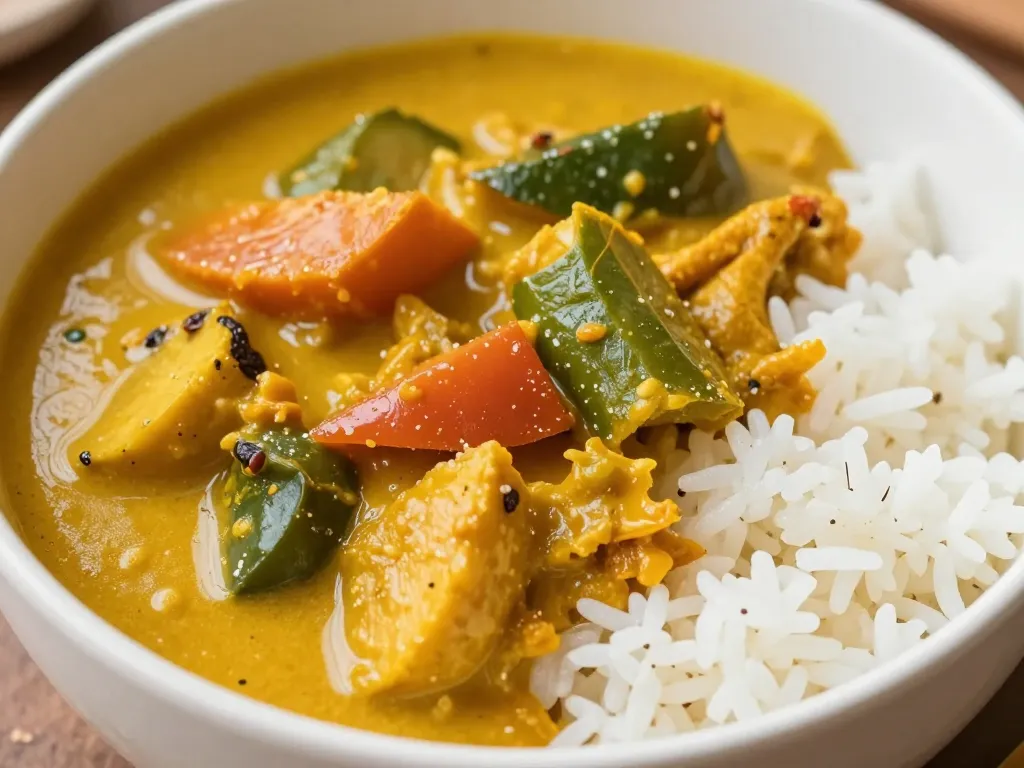
Turmeric, a spice commonly found in Indian and Middle Eastern cuisine, contains a potent anti-inflammatory compound called curcumin. This meal plan focuses on incorporating turmeric into your diet to reduce inflammation. Start by adding turmeric to your breakfast omelets, scrambled eggs, or oatmeal.
You can also try making a turmeric latte by mixing turmeric powder with milk and honey. Additionally, incorporate turmeric-rich dishes like curries, stews, and soups into your meal plan. Aim to consume at least 1-2 teaspoons of turmeric per day to reap the anti-inflammatory benefits.
4. Ginger-Based Meal Plan
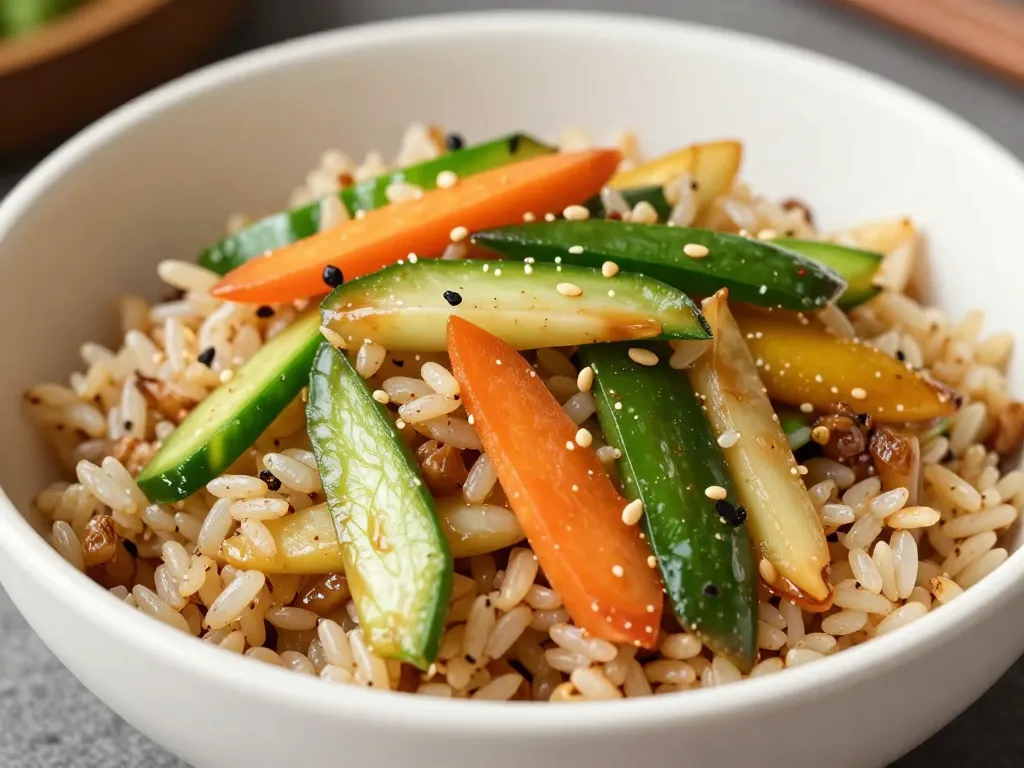
Ginger, a root commonly used in Asian cuisine, has potent anti-inflammatory properties. This meal plan focuses on incorporating ginger into your diet to reduce inflammation. Start by adding fresh ginger to your breakfast smoothies or juices.
You can also try making ginger tea by steeping fresh ginger in hot water. Additionally, incorporate ginger-rich dishes like stir-fries, soups, and stews into your meal plan. Aim to consume at least 1-2 inches of fresh ginger per day to reap the anti-inflammatory benefits.
5. Anti-Inflammatory Soup Meal Plan
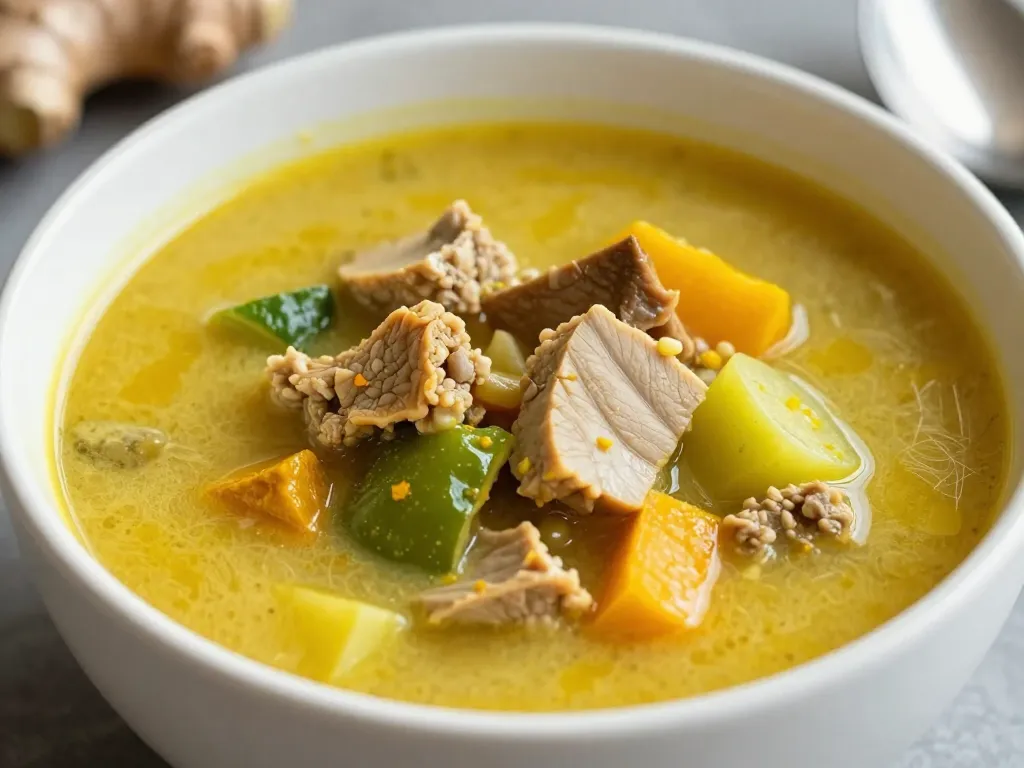
Soups are an excellent way to incorporate anti-inflammatory ingredients into your diet. This meal plan focuses on creating soups rich in anti-inflammatory compounds like turmeric, ginger, and omega-3 fatty acids. Start by making a turmeric and ginger-rich soup with vegetables and lean proteins.
You can also try making a fish-based soup with omega-3 rich fish like salmon or mackerel. Aim to consume at least 2-3 bowls of anti-inflammatory soup per week to reap the benefits.
6. Probiotic-Rich Meal Plan
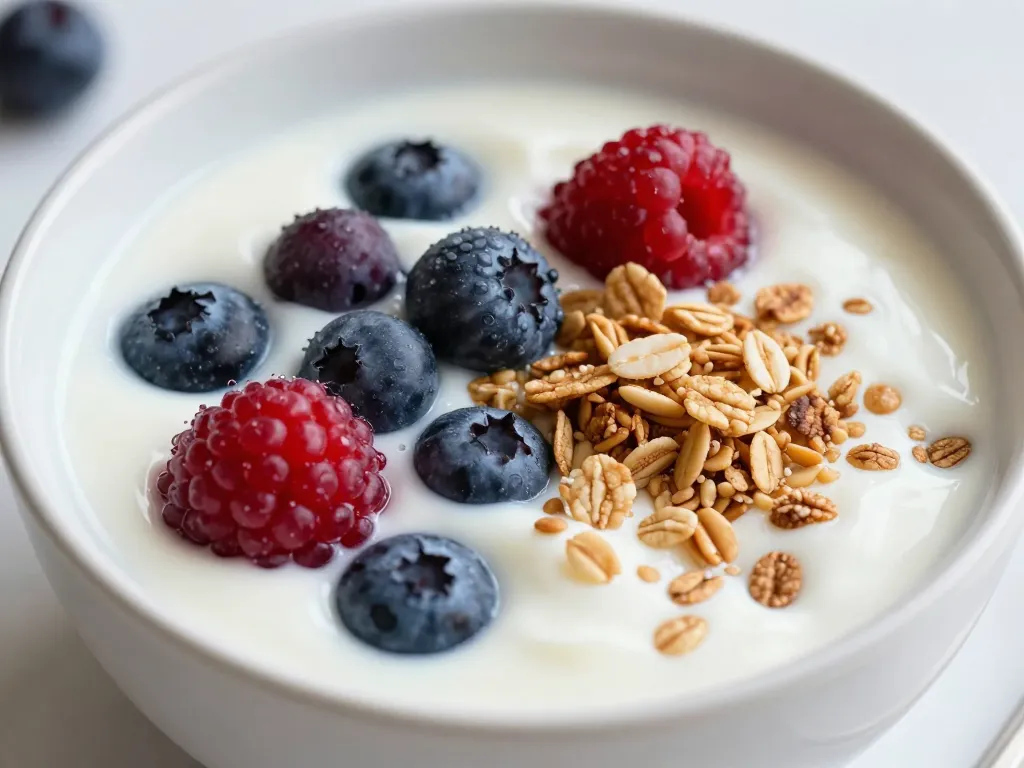
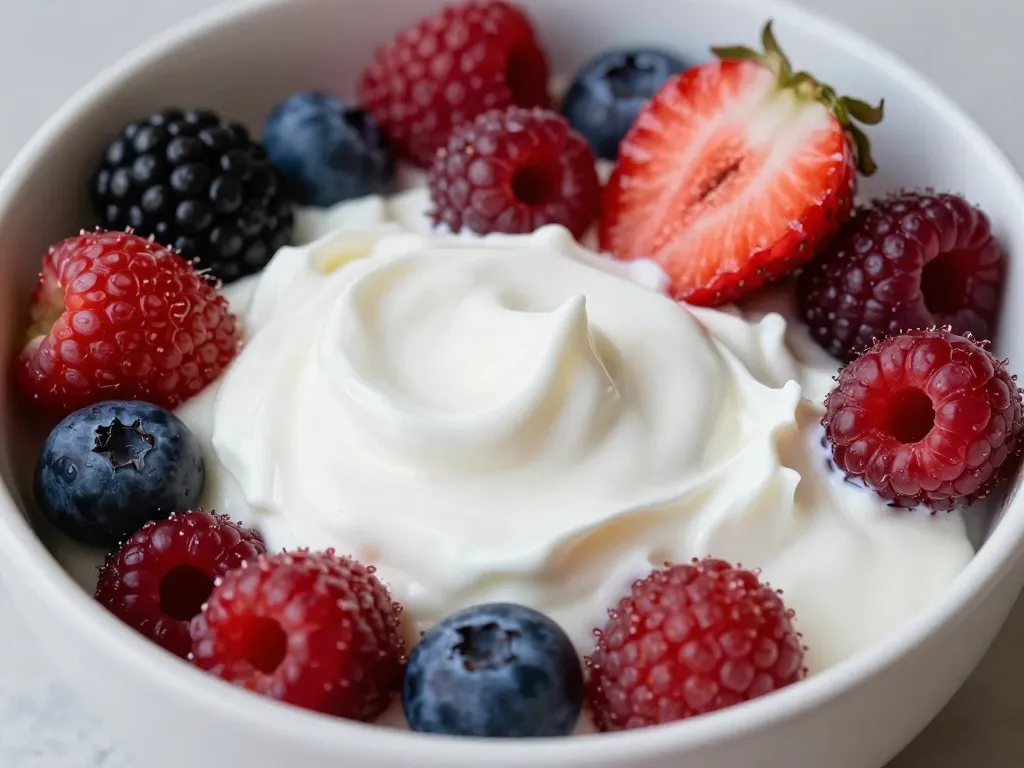
Probiotics are beneficial bacteria that can help reduce inflammation in the gut. This meal plan focuses on incorporating probiotic-rich foods like yogurt, kefir, and fermented vegetables into your diet. Start by adding probiotic-rich yogurt or kefir to your breakfast or snacks.
You can also try making fermented vegetables like sauerkraut or kimchi to add to your meals. Aim to consume at least 1-2 cups of probiotic-rich foods per day to reap the anti-inflammatory benefits.
7. Green Smoothie Meal Plan
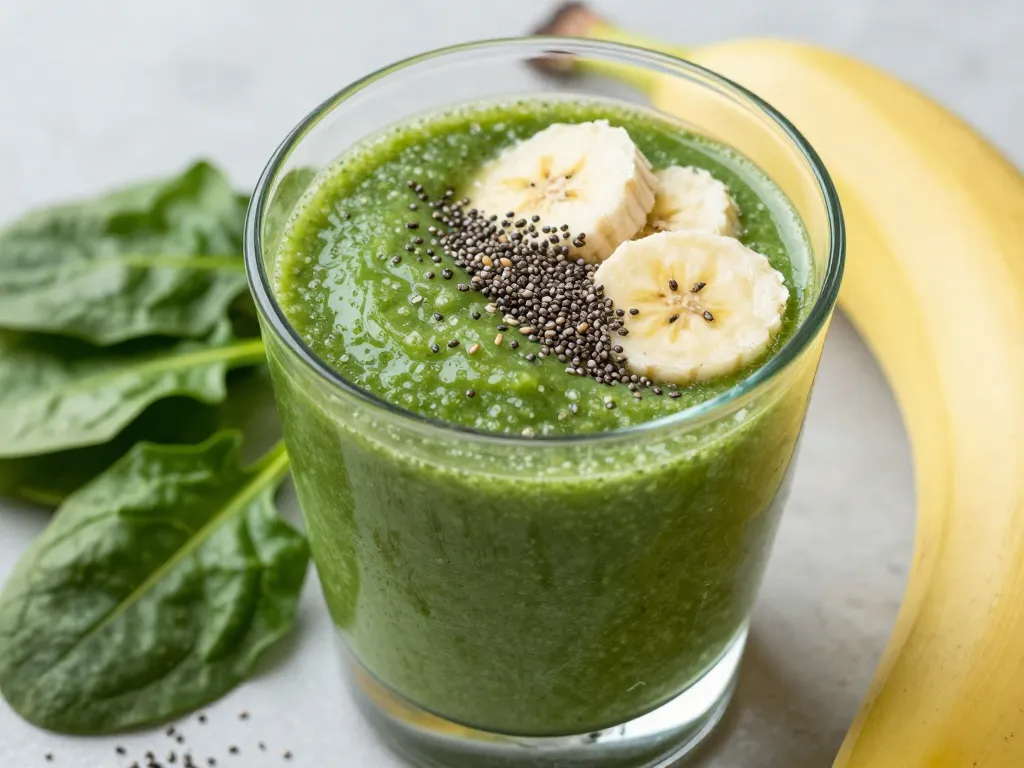
Green smoothies are an excellent way to incorporate anti-inflammatory ingredients into your diet. This meal plan focuses on creating smoothies rich in antioxidants, omega-3 fatty acids, and probiotics. Start by adding spinach, kale, or collard greens to your smoothies.
You can also try adding omega-3 rich ingredients like chia seeds, walnuts, or flaxseeds to your smoothies. Aim to consume at least 2-3 green smoothies per week to reap the anti-inflammatory benefits.
In conclusion, incorporating these 7 anti-inflammation diet meal plans into your lifestyle can help reduce inflammation and improve overall health. Remember to always consult with your doctor or a registered dietitian before making any significant changes to your diet. Start your healthy journey today and take control of your inflammation!
0 Comments