
Learn how to follow a bland diet to aid in digestive recovery, what foods to eat and avoid, and tips for a speedy recovery.
A bland diet is a type of diet that is often recommended by healthcare professionals to individuals who are experiencing digestive issues, such as diarrhea, nausea, and vomiting. The diet is designed to be gentle on the stomach, allowing it to rest and recover from any irritation or inflammation. In this article, we will explore the ins and outs of a bland diet, including what to eat, what to avoid, and how to recover faster.
What is a Bland Diet?
A bland diet is a temporary eating plan that is low in fiber, fat, and spice. It is typically recommended for individuals who are experiencing digestive issues, such as those with gastroenteritis, inflammatory bowel disease, or those who have undergone gastrointestinal surgery. The diet is designed to be easy to digest, allowing the stomach to rest and recover from any irritation or inflammation.
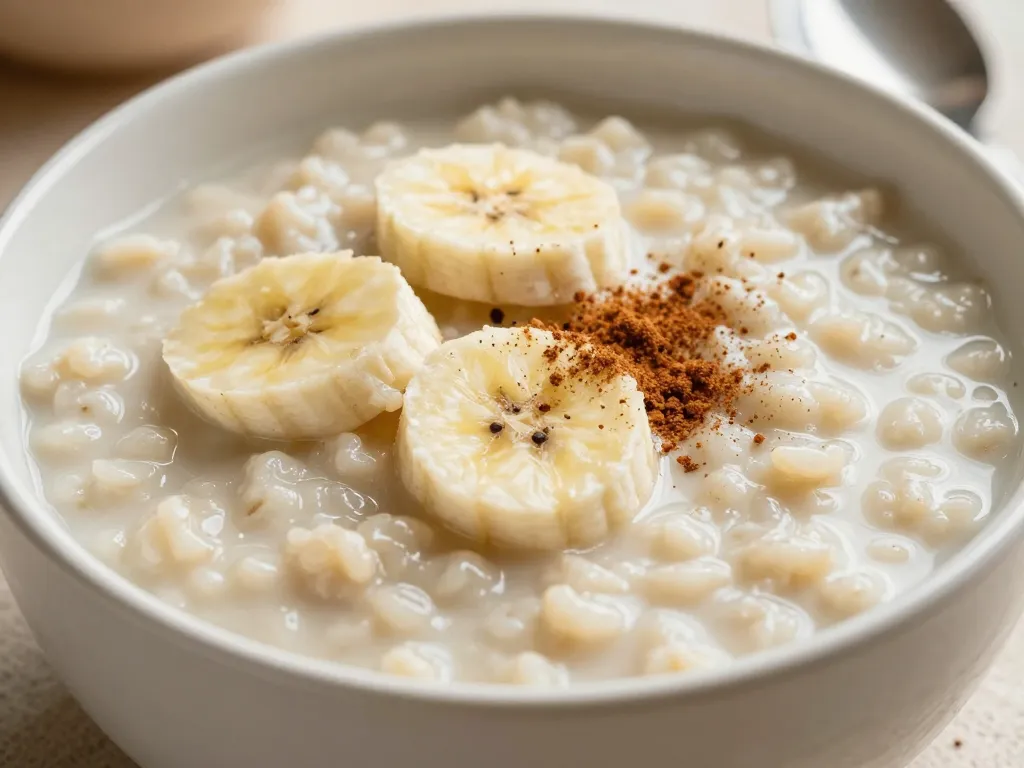
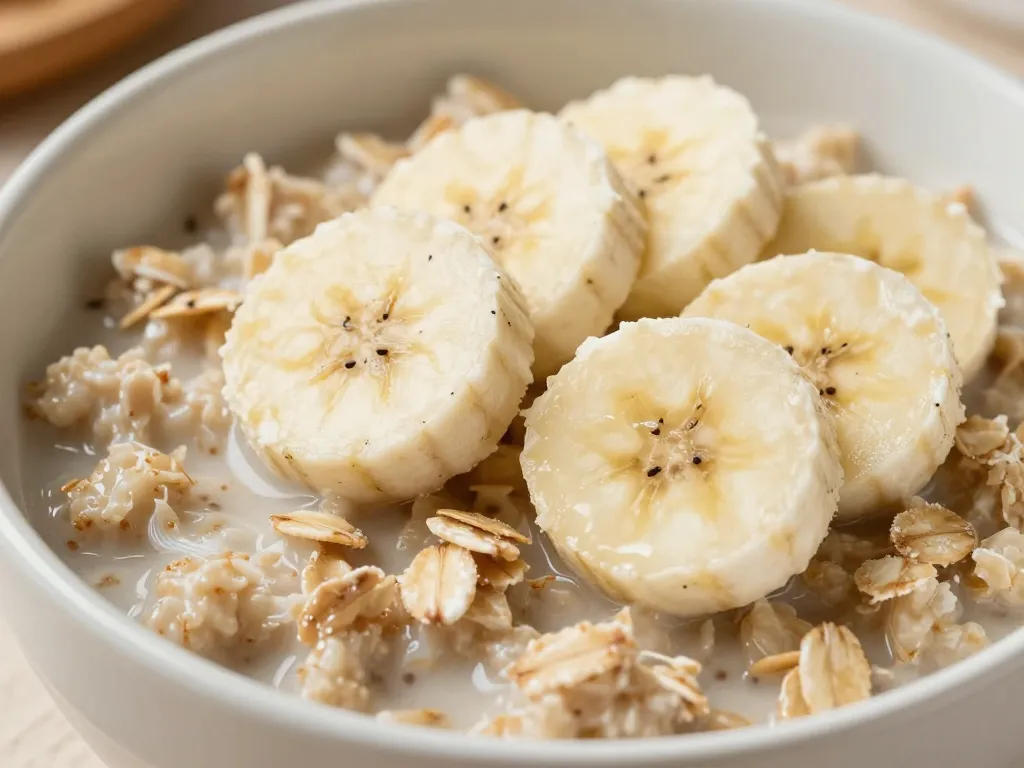
The bland diet is often referred to as the BRAT diet, which stands for bananas, rice, applesauce, and toast. These foods are low in fiber, fat, and spice, making them easy to digest. However, the bland diet is not limited to these four foods, and there are many other foods that can be included.
Foods to Eat on a Bland Diet
When following a bland diet, it is essential to stick to foods that are low in fiber, fat, and spice. Some examples of foods that can be included in a bland diet are:
Cooked vegetables, such as green beans, carrots, and potatoes
Cooked fruits, such as applesauce and bananas
Plain toast, crackers, and plain cookies
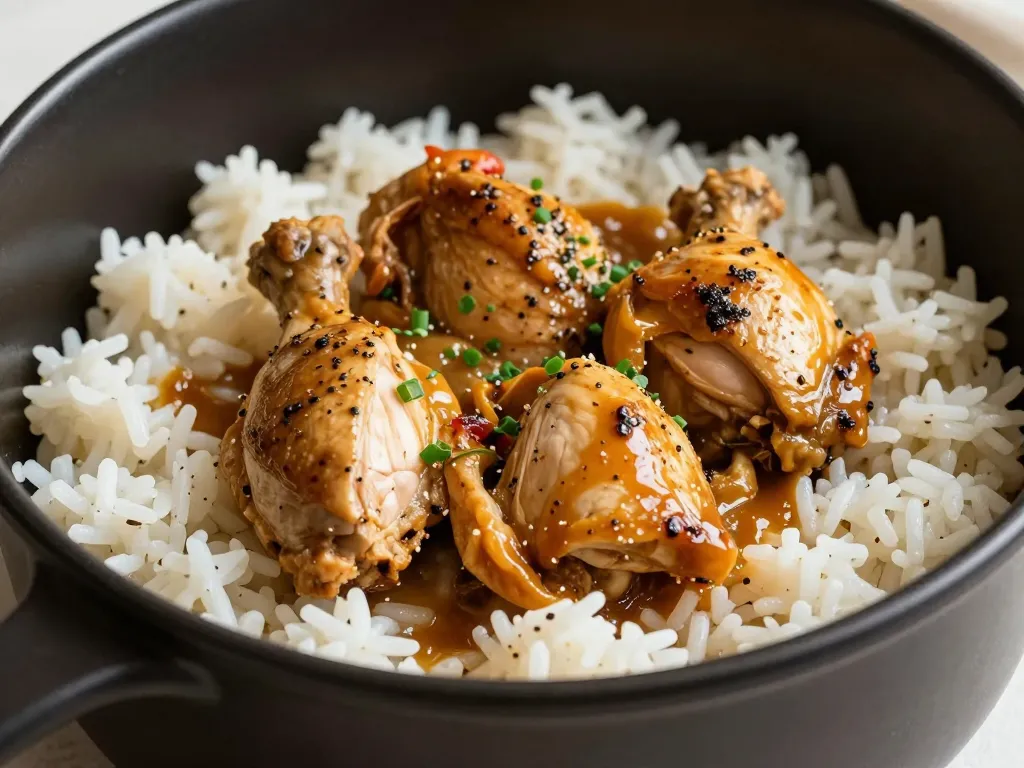
Lean proteins, such as chicken, turkey, and fish
Low-fat dairy products, such as milk, yogurt, and cheese
Rice, pasta, and other low-fiber grains
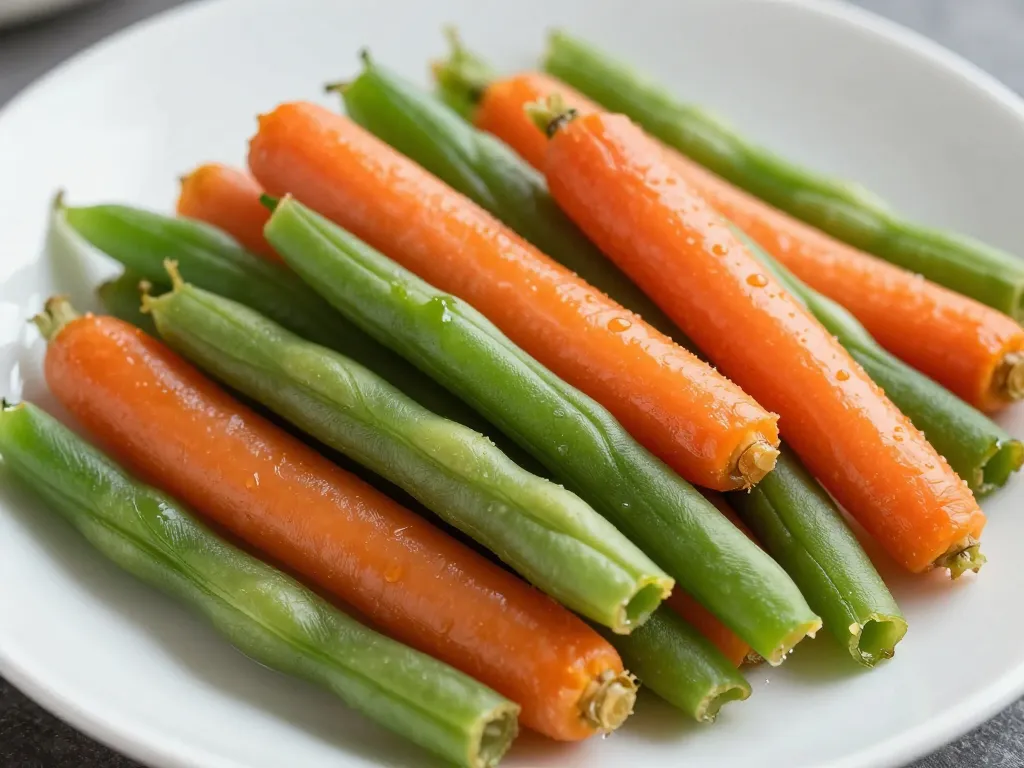
It is also important to drink plenty of fluids, such as water, clear broth, and electrolyte-rich beverages like sports drinks. These can help to replace lost electrolytes and prevent dehydration.
Foods to Avoid on a Bland Diet
When following a bland diet, there are certain foods that should be avoided. These include:
High-fiber foods, such as beans, broccoli, and cabbage
Fatty or greasy foods, such as fried foods and fatty meats
Spicy or acidic foods, such as citrus fruits and tomatoes
Raw vegetables and fruits, which can be difficult to digest
Caffeine and alcohol, which can irritate the stomach
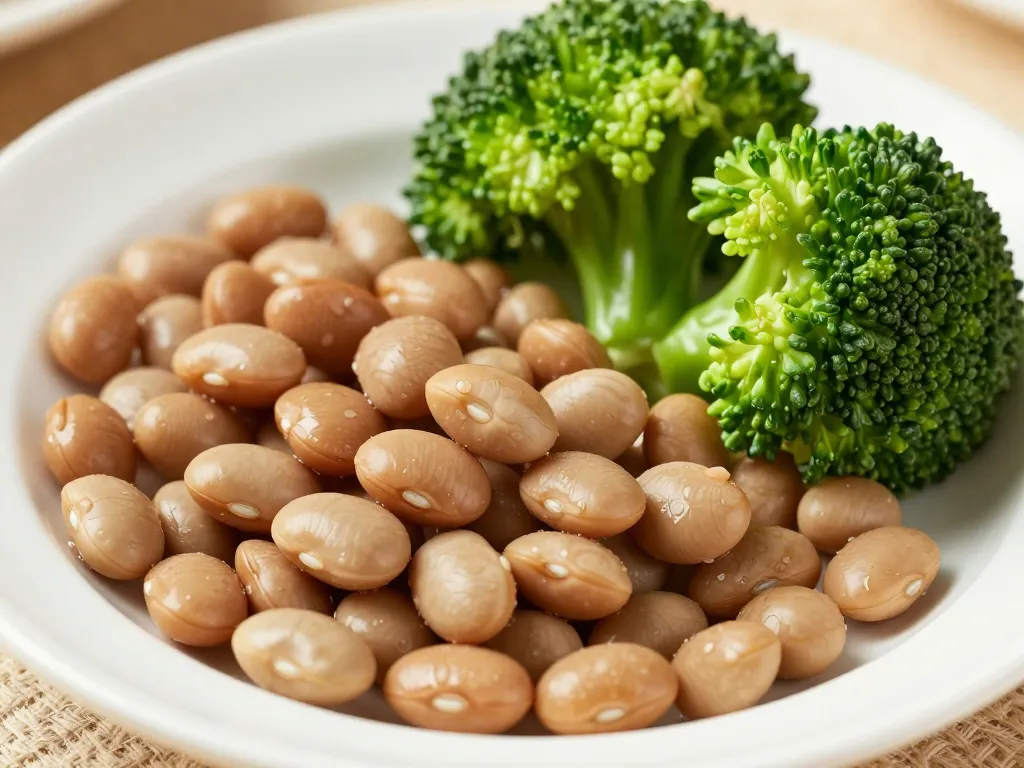
It is also important to avoid foods that are high in sugar, salt, and artificial additives, as these can be difficult to digest and may exacerbate digestive issues.
How to Recover Faster on a Bland Diet
In addition to following a bland diet, there are several other tips that can help to aid in digestive recovery. These include:
Getting plenty of rest and avoiding strenuous activities
Staying hydrated by drinking plenty of fluids
Avoiding stress, which can exacerbate digestive issues
Taking probiotics or other supplements, which can help to promote digestive health
It is also important to listen to your body and take things slowly. If you are experiencing persistent or severe digestive issues, it is essential to seek medical attention.
Conclusion
A bland diet can be a helpful tool in aiding digestive recovery. By sticking to foods that are low in fiber, fat, and spice, and avoiding foods that can irritate the stomach, individuals can help to promote digestive health and recover faster. Remember to stay hydrated, get plenty of rest, and avoid stress to help your body recover. If you are experiencing persistent or severe digestive issues, be sure to seek medical attention. With patience and persistence, you can recover from digestive issues and get back to feeling your best.
If you are experiencing digestive issues and are considering following a bland diet, be sure to speak with a healthcare professional for personalized guidance and support. With the right tools and resources, you can recover faster and get back to living your best life.
0 Comments