
Discover a simple and effective 7-day anti-inflammation diet meal plan for beginners, featuring delicious and healthy recipes to reduce inflammation and improve overall well-being.
Chronic inflammation is a silent killer that can lead to various health problems, including arthritis, diabetes, and heart disease. While it’s a complex issue, one of the most effective ways to combat inflammation is through a balanced diet. An anti-inflammation diet meal plan can help reduce inflammation, alleviate symptoms, and improve overall health. In this article, we’ll provide a comprehensive 7-day meal plan for beginners, featuring easy and effective recipes to get you started.
Understanding Anti-Inflammation Diets
Before we dive into the meal plan, it’s essential to understand the principles of an anti-inflammation diet. This type of diet focuses on whole, unprocessed foods that are rich in antioxidants, omega-3 fatty acids, and fiber. These nutrients help reduce inflammation by combating free radicals, promoting healthy gut bacteria, and supporting the immune system. On the other hand, an anti-inflammation diet eliminates or minimizes pro-inflammatory foods, such as sugar, dairy, and processed meats.
Day 1-2: Focus on Omega-3 Rich Foods
The first two days of our meal plan focus on omega-3 rich foods, which are essential for reducing inflammation. Omega-3 fatty acids, particularly EPA and DHA, have potent anti-inflammatory properties that can help alleviate symptoms of chronic inflammation.
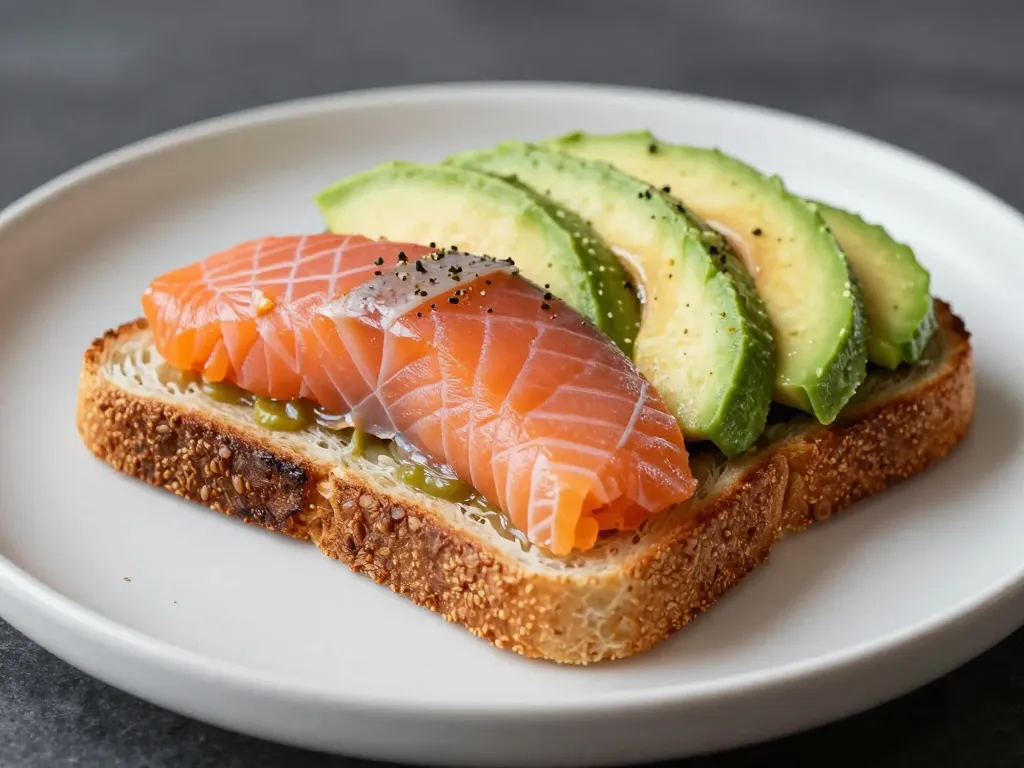
For breakfast, start with a delicious salmon and avocado toast. Toast whole grain bread, mash 1/2 avocado, and top with smoked salmon, salt, and pepper. Add a squeeze of fresh lemon juice and a sprinkle of chopped parsley for extra flavor.
For lunch, prepare a quinoa and walnut salad with mixed greens, cherry tomatoes, and a citrus vinaigrette dressing. Quinoa is an excellent source of fiber and protein, while walnuts are rich in omega-3 fatty acids.
Day 3-4: Incorporate Antioxidant-Rich Foods
Antioxidants are powerful compounds that help combat free radicals, which are molecules that can cause oxidative stress and inflammation. The next two days of our meal plan focus on antioxidant-rich foods, such as berries, leafy greens, and other fruits and vegetables.
For breakfast, blend together frozen berries, spinach, almond milk, and chia seeds to create a nutritious and filling smoothie. Add a sprinkle of turmeric powder for its potent anti-inflammatory properties.
For dinner, prepare a roasted vegetable soup with sweet potatoes, carrots, and Brussels sprouts. These vegetables are rich in antioxidants and fiber, making them an excellent addition to an anti-inflammation diet.
Day 5-6: Focus on Fiber-Rich Foods
Fiber is essential for promoting healthy gut bacteria, which plays a critical role in reducing inflammation. The next two days of our meal plan focus on fiber-rich foods, such as whole grains, legumes, and fruits.
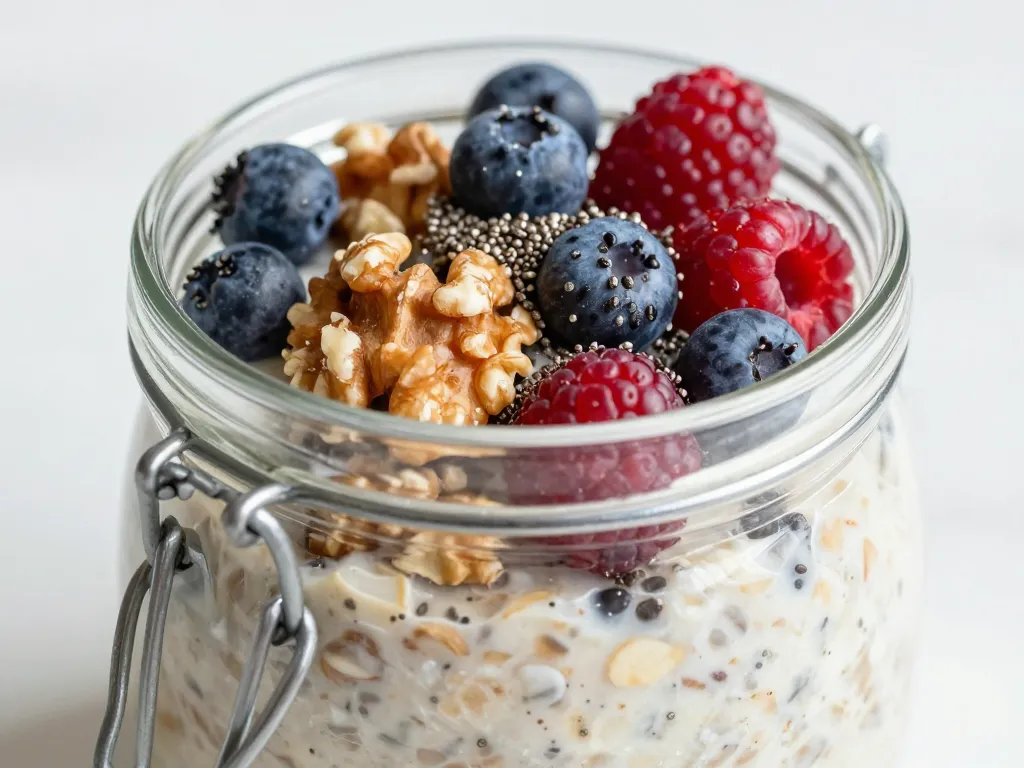
For breakfast, prepare a fiber-rich oatmeal with sliced banana, almond butter, and a sprinkle of chia seeds. Oatmeal is an excellent source of fiber, while bananas are rich in potassium and antioxidants.
For lunch, prepare a lentil soup with diced vegetables and a side of whole grain bread. Lentils are an excellent source of fiber and protein, making them an ideal addition to an anti-inflammation diet.
Day 7: Putting it All Together
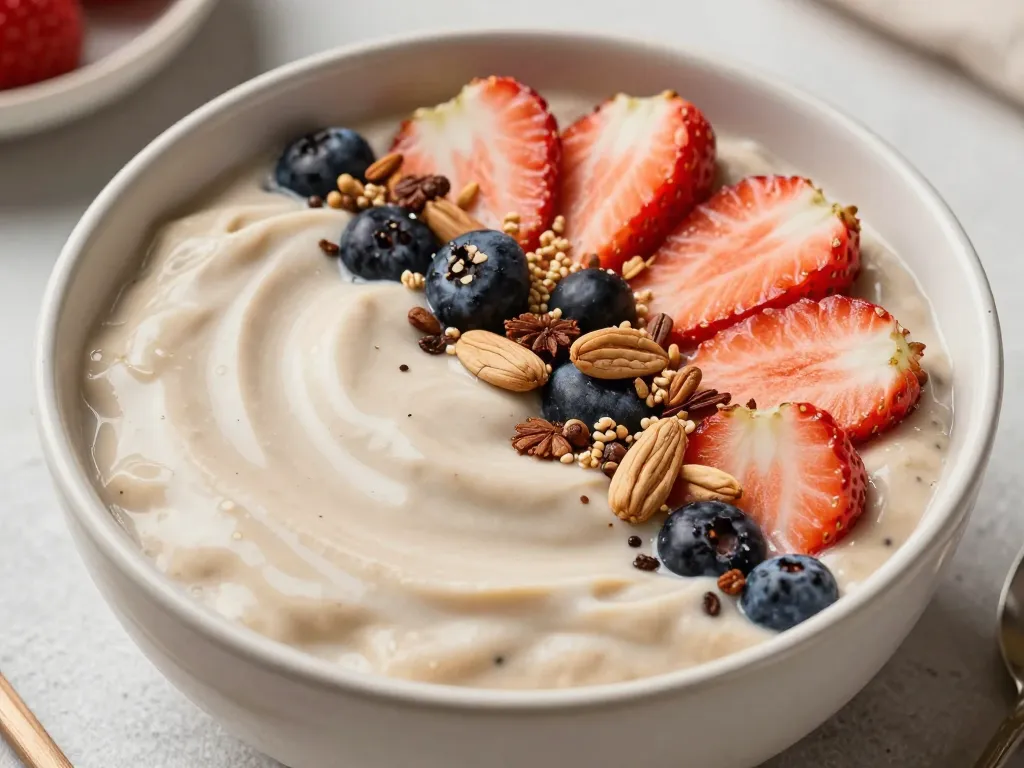
The final day of our meal plan brings together all the principles of an anti-inflammation diet. For breakfast, prepare a delicious anti-inflammatory smoothie bowl with frozen berries, spinach, almond milk, and chia seeds. Top with sliced almonds, shredded coconut, and a sprinkle of turmeric powder.
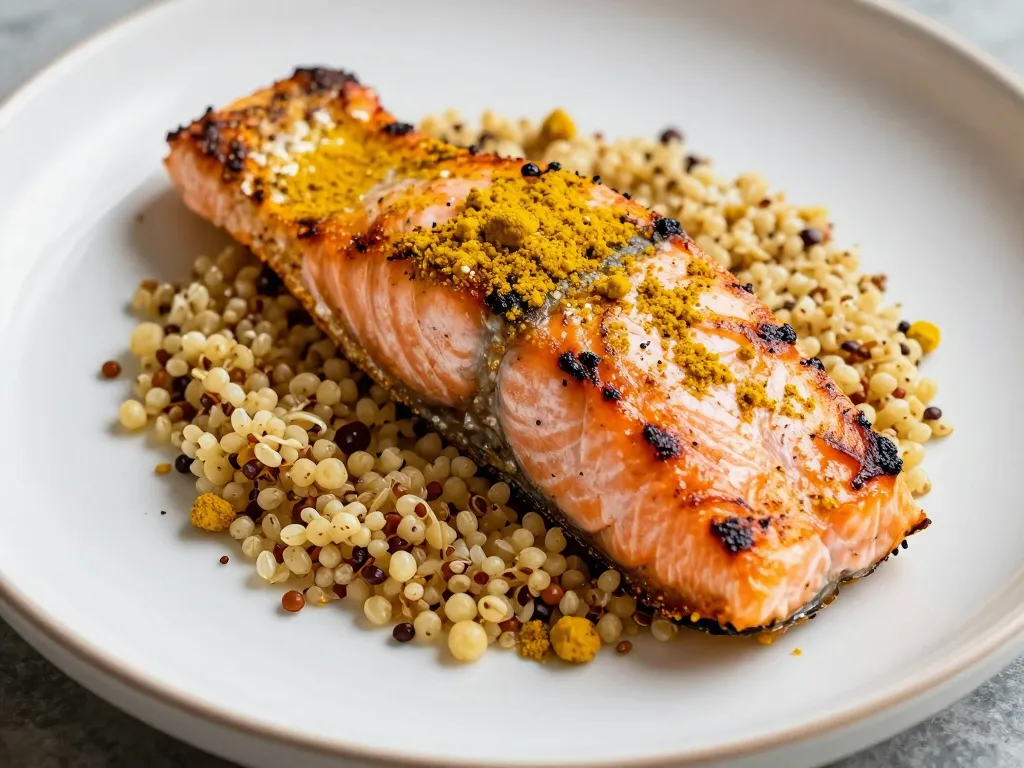
For dinner, prepare a grilled salmon with roasted vegetables and a side of quinoa. This meal combines the anti-inflammatory properties of omega-3 fatty acids with the antioxidant-rich properties of roasted vegetables.
Conclusion and Next Steps
Congratulations on completing our 7-day anti-inflammation diet meal plan for beginners! By incorporating these easy and effective recipes into your daily routine, you’ll be well on your way to reducing inflammation and improving overall health. Remember to stay hydrated, listen to your body, and make adjustments as needed.
If you’re ready to take your anti-inflammation diet to the next level, consider consulting with a healthcare professional or registered dietitian to create a personalized meal plan tailored to your specific needs. With patience, persistence, and the right guidance, you can reduce inflammation and achieve optimal health.
Start your anti-inflammation journey today and take the first step towards a healthier, happier you!
0 Comments