
Discover the ultimate 7-day anti-inflammation diet meal plan to reduce inflammation fast and improve overall health. Learn what to eat and what to avoid for a healthier you.
Chronic inflammation is a silent killer that can lead to various health problems, including arthritis, diabetes, and heart disease. While it's a natural response of the immune system, prolonged inflammation can have devastating effects on the body. The good news is that an anti-inflammation diet meal plan can help reduce inflammation and promote overall health. In this article, we'll provide a comprehensive 7-day guide on what to eat and what to avoid to reduce inflammation fast.
Understanding Inflammation and Its Effects on the Body
Inflammation is a natural response of the immune system to injury or infection. When the body detects a foreign substance or injury, it sends white blood cells to the affected area to fight off the invader and promote healing. However, chronic inflammation can lead to oxidative stress, tissue damage, and cell death. This can result in various health problems, including arthritis, diabetes, heart disease, and even cancer.
Why Does The Mediterranean Diet Work So Well For Some People...
But Fail Completely For Others?
New research suggests your age, metabolism, food preferences and body type can dramatically change which Mediterranean foods help you lose weight.
Instead of following the same meal plan as everyone else, this short 60-second quiz creates a customized Mediterranean eating plan based on your unique biology and lifestyle preferences.
Free • No calorie counting required • Results in about 60 seconds
Many people unknowingly follow Mediterranean meal plans that don't match their metabolism, age, or eating preferences.
That's one reason why two people can eat the same foods while getting completely different results.
This personalized assessment was designed to identify which Mediterranean foods and eating patterns may work best for your body and goals.
The Role of Diet in Reducing Inflammation
Diet plays a crucial role in reducing inflammation. Certain foods can trigger inflammation, while others can help reduce it. A diet rich in fruits, vegetables, whole grains, and healthy fats can help reduce inflammation, while a diet high in processed foods, sugar, and saturated fats can exacerbate it. In this 7-day anti-inflammation diet meal plan, we'll focus on incorporating anti-inflammatory foods and avoiding pro-inflammatory foods.
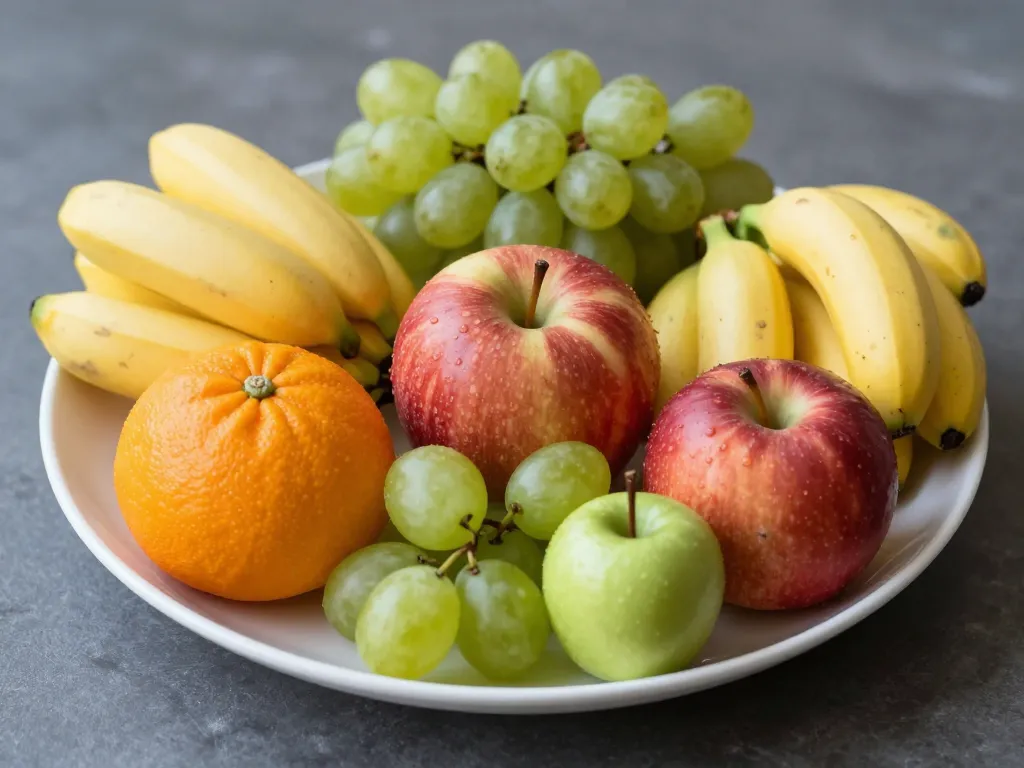
Day 1: Start with Anti-Inflammatory Fruits and Vegetables
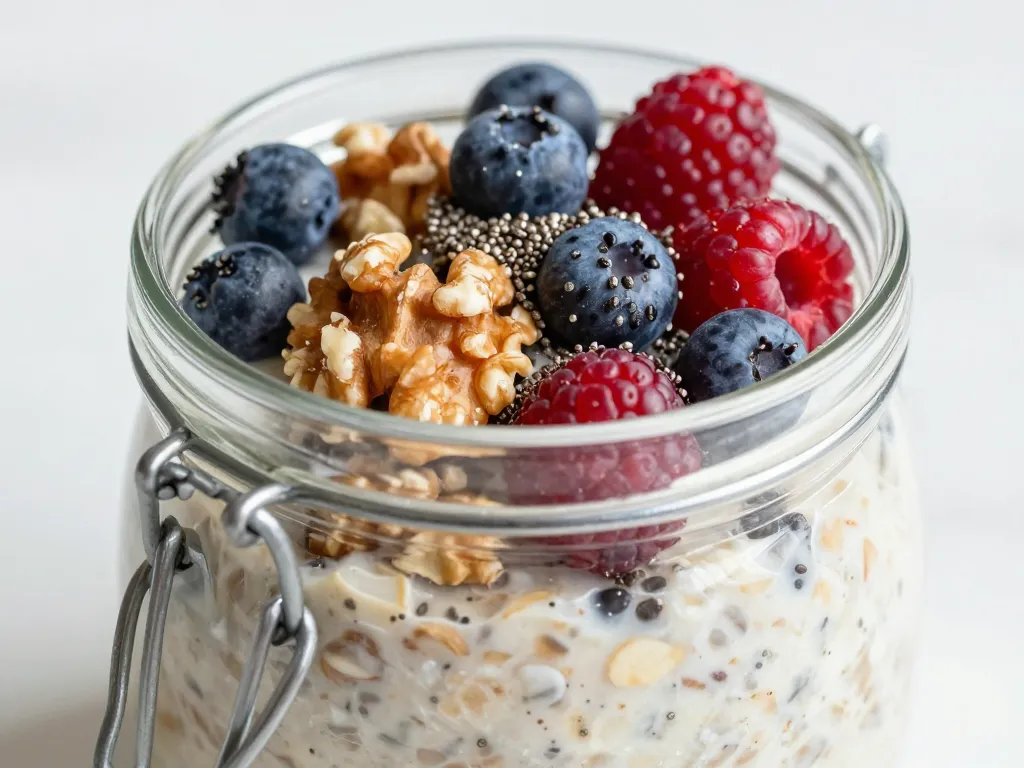
On day one, focus on incorporating anti-inflammatory fruits and vegetables into your diet. These include berries, leafy greens, bell peppers, and turmeric. Start your day with a berry smoothie bowl topped with walnuts and chia seeds. For lunch, have a salad with mixed greens, cherry tomatoes, cucumber, and a citrus vinaigrette dressing. For dinner, try a vegetable stir-fry with turmeric, ginger, and olive oil.
Day 2: Incorporate Omega-3 Rich Foods
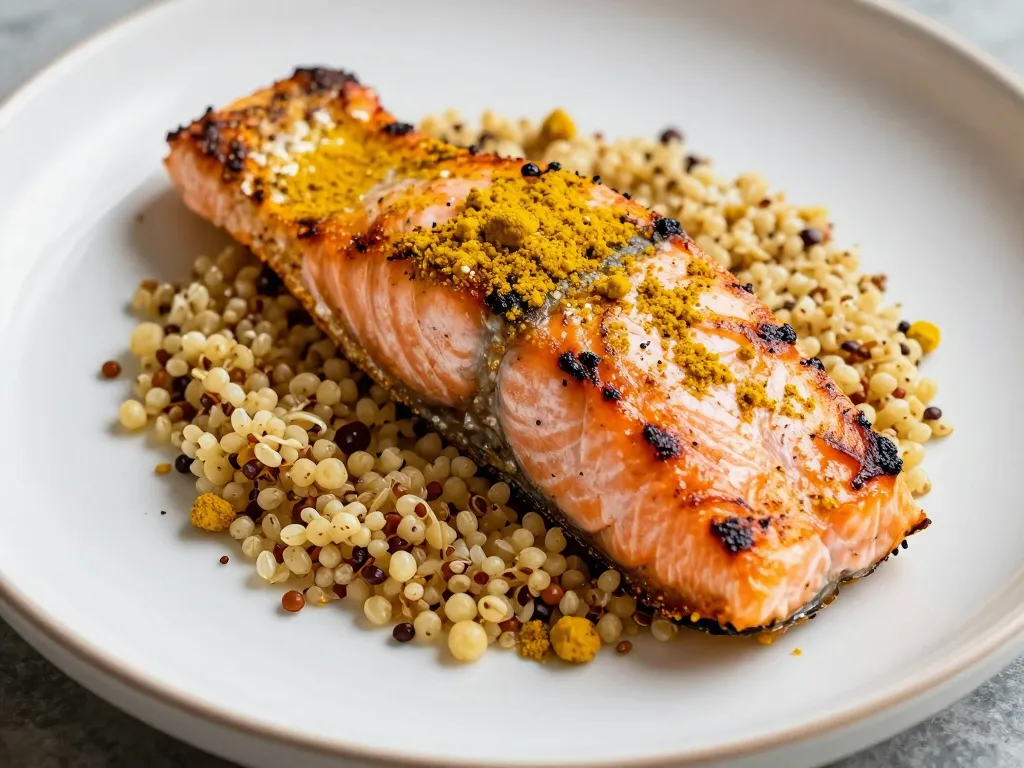
On day two, focus on incorporating omega-3 rich foods into your diet. These include fatty fish, flaxseeds, and walnuts. Start your day with scrambled eggs with smoked salmon and spinach. For lunch, have a salad with mixed greens, grilled chicken, and a flaxseed dressing. For dinner, try baked salmon with roasted vegetables and quinoa.
Day 3: Focus on Antioxidant-Rich Foods
On day three, focus on incorporating antioxidant-rich foods into your diet. These include berries, leafy greens, and other fruits and vegetables. Start your day with a green smoothie bowl topped with berries and granola. For lunch, have a salad with mixed greens, grilled chicken, and a citrus vinaigrette dressing. For dinner, try roasted chicken with roasted vegetables and quinoa.
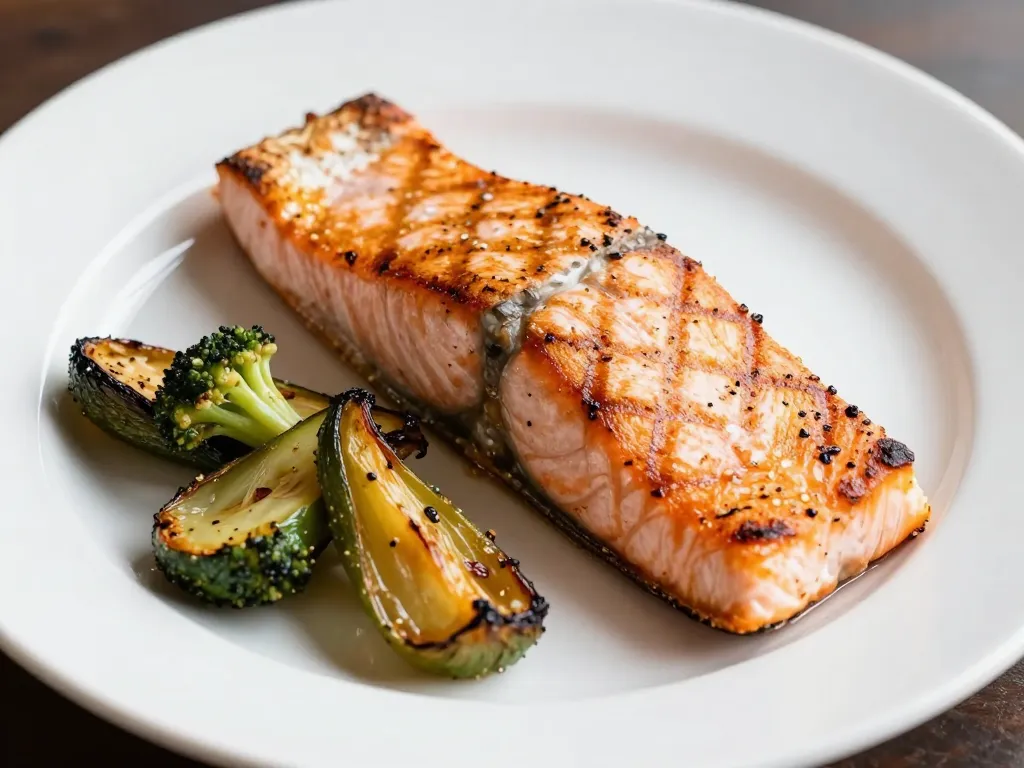
Day 4: Incorporate Anti-Inflammatory Spices
On day four, focus on incorporating anti-inflammatory spices into your diet. These include turmeric, ginger, and cinnamon. Start your day with a turmeric latte with coconut milk and honey. For lunch, have a salad with mixed greens, grilled chicken, and a turmeric dressing. For dinner, try a vegetable curry with turmeric, ginger, and coconut milk.
Day 5: Focus on Healthy Fats
On day five, focus on incorporating healthy fats into your diet. These include avocado, olive oil, and nuts. Start your day with avocado toast with scrambled eggs and cherry tomatoes. For lunch, have a salad with mixed greens, grilled chicken, and an olive oil dressing. For dinner, try baked chicken with roasted vegetables and quinoa.
Day 6: Incorporate Fermented Foods
On day six, focus on incorporating fermented foods into your diet. These include kimchi, sauerkraut, and kefir. Start your day with a kefir smoothie bowl topped with berries and granola. For lunch, have a salad with mixed greens, grilled chicken, and kimchi. For dinner, try a vegetable stir-fry with sauerkraut and olive oil.
Day 7: Focus on Whole Grains
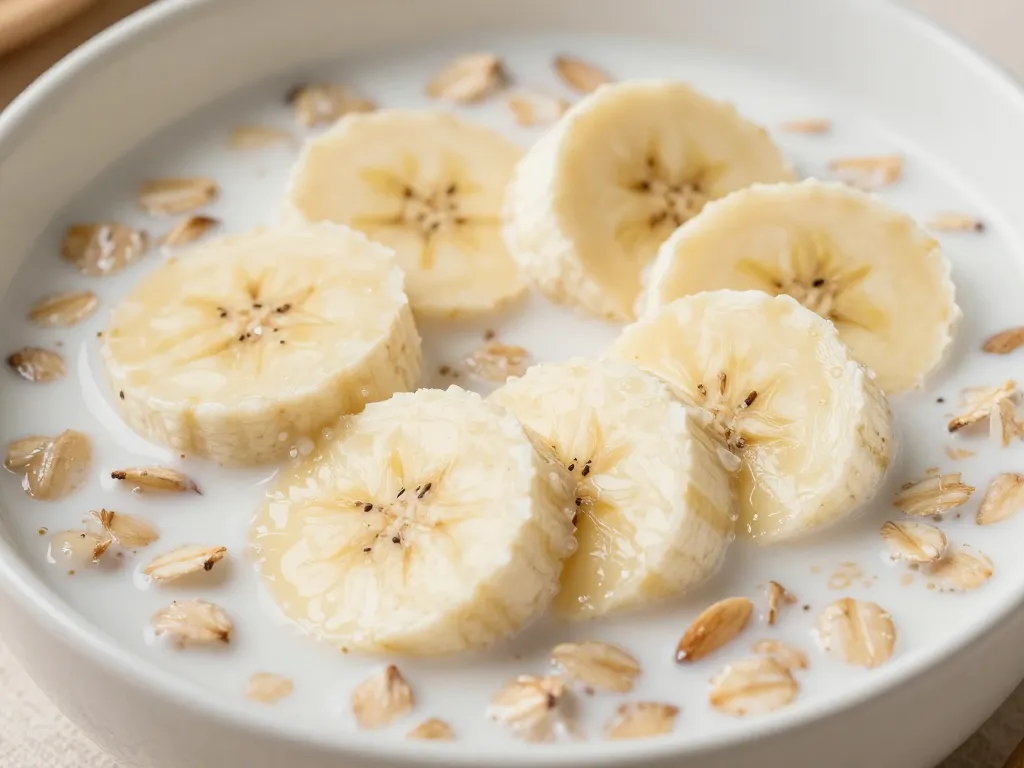
On day seven, focus on incorporating whole grains into your diet. These include brown rice, quinoa, and whole wheat bread. Start your day with oatmeal with almond milk and banana. For lunch, have a salad with mixed greens, grilled chicken, and whole wheat bread. For dinner, try a vegetable stir-fry with brown rice and olive oil.
Foods to Avoid on an Anti-Inflammation Diet
While incorporating anti-inflammatory foods into your diet is crucial, it's also important to avoid pro-inflammatory foods. These include:
Processed foods
Sugar
Saturated fats
Refined carbohydrates
Foods high in salt
By avoiding these foods and incorporating anti-inflammatory foods into your diet, you can reduce inflammation and promote overall health.
Conclusion
Reducing inflammation is crucial for overall health. By incorporating anti-inflammatory foods into your diet and avoiding pro-inflammatory foods, you can reduce inflammation and promote overall health. This 7-day anti-inflammation diet meal plan provides a comprehensive guide on what to eat and what to avoid to reduce inflammation fast. Start your journey today and take the first step towards a healthier you. Remember, a healthy diet is just the beginning. Combine it with regular exercise and stress management techniques for optimal results.
Why Does The Mediterranean Diet Work So Well For Some People...
But Fail Completely For Others?
New research suggests your age, metabolism, food preferences and body type can dramatically change which Mediterranean foods help you lose weight.
Instead of following the same meal plan as everyone else, this short 60-second quiz creates a customized Mediterranean eating plan based on your unique biology and lifestyle preferences.
Free • No calorie counting required • Results in about 60 seconds
Many people unknowingly follow Mediterranean meal plans that don't match their metabolism, age, or eating preferences.
That's one reason why two people can eat the same foods while getting completely different results.
This personalized assessment was designed to identify which Mediterranean foods and eating patterns may work best for your body and goals.
0 Comments